Strategic Shifts on the Frontier: What Gubernatorial Realignments in Sikkim and Uttarakhand Mean for Himalayan Ecology
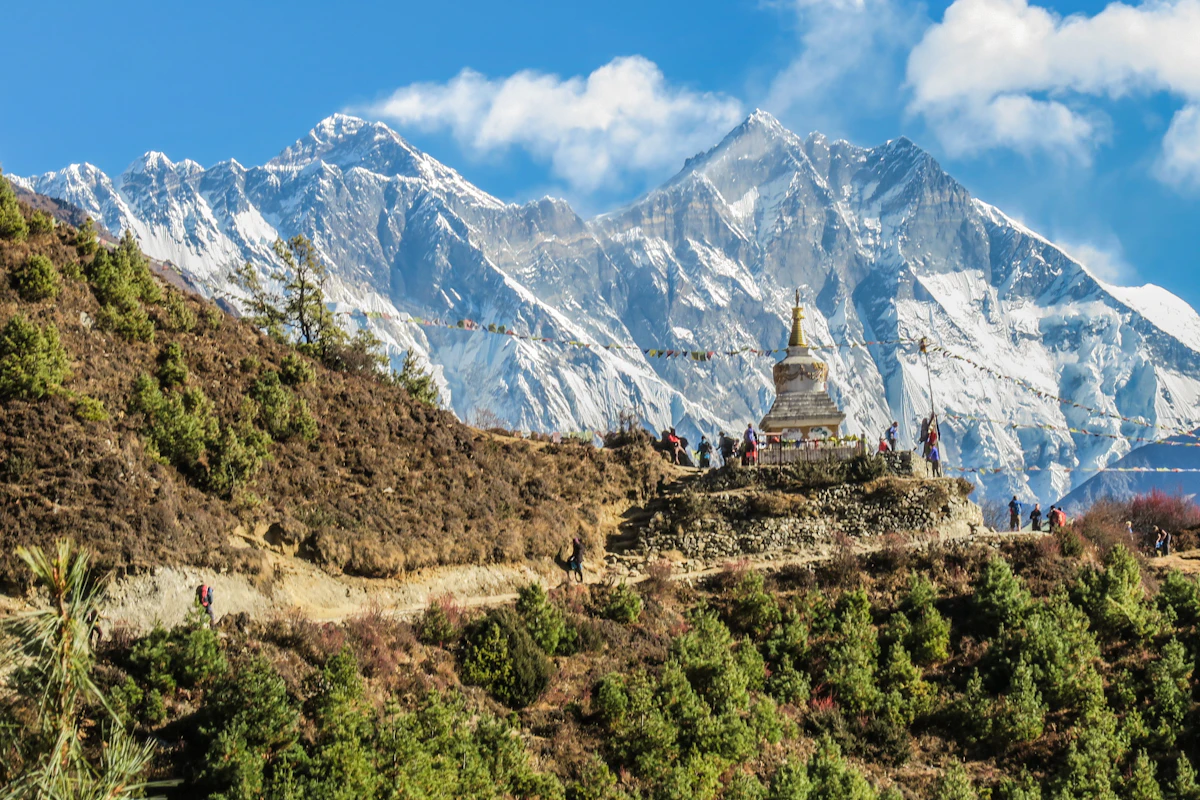
Frontier Governance and Strategic Realignment in the Fragile Himalaya
The administrative architecture of India's northern rim experienced a major repositioning when President Droupadi Murmu notified wide-ranging gubernatorial postings on July 27, 2024. The appointment of seasoned administrator Om Prakash Mathur as the Governor of Sikkim, succeeding Lakshman Prasad Acharya who assumed office in Assam with concurrent duties for Manipur, signaled a strategic recalibration in the Eastern Himalaya. Concurrently, the consolidation of administrative oversight in Uttarakhand under Lieutenant General Gurmit Singh (Retd) reaffirmed New Delhi's operational emphasis on border-sensitive terrain. As these offices function through October 13, 2026, the strategic coordination between Raj Bhavan corridors and central ministries reflects a clear mandate: reinforcing border security, accelerating infrastructure logistics, and maintaining tight administrative cohesion across fragile frontier states.
Ecological Realities: From Teesta's Wake to Uttarakhand's Slopes
These constitutional shifts arrive at a perilous juncture for mountain ecosystems. The Eastern Himalayan state of Sikkim continues to navigate long-term reconstruction in the wake of the catastrophic October 4, 2023 South Lhonak glacial lake outburst flood (GLOF), which decimated downstream civil infrastructure, swept away the Teesta III dam at Chungthang, and revealed severe systemic deficits in mountain risk planning. Simultaneously, the Central Himalaya in Uttarakhand confronts ongoing terrain destabilization, marked by persistent slope subsidence across towns like Joshimath and chronic landslides along heavily engineered transport arteries. While gubernatorial mandates focus on developmental timelines and national security logistics, the ground reality requires conservative geological pacing, hydrological modeling, and rigorous preservation of fragile slope morphology.
Balancing Constitutional Oversight with Ecological Sensitivity
The fundamental challenge confronting the governors of mountain states lies in reconciling strategic development mandates with ecological conservation. Under Article 163 of the Constitution of India, the Governor's office functions as a vital constitutional bridge rather than an executive clearinghouse for major civil works. Nevertheless, the soft power exerted by Raj Bhavan plays a decisive role in shaping policy discourse, steering federal disaster rehabilitation resources, and convening multi-agency dialogues between defense planners, the National Disaster Management Authority (NDMA), and state technical bodies. Ensuring that strategic frontier infrastructure does not bypass localized geological appraisals or trigger accelerated deforestation remains paramount to preventing future anthropogenic disasters across these sensitive Himalayan states.
Verified Sources & Bureau Dispatches
- •Himalayan Pulse Field Desk — Regional Ground Bureau
- •Hindustan Times
- •The Hindu
- •Daily Excelsior
- •ThePrint
- •Sikkim News
- •Sikkimexpress
- •Northeast Today
- •The News Mill